College of Sciences

Latest News

20260204_GEMs-IV-Group-Photo_LR.jpeg

In February, the Georgia Institute of Technology,  together with the University of Georgia, Georgia State University, the Georgia Mining Association, and the British Consulate‑General Atlanta, hosted the fourth Growing Partnerships for Essential Minerals (GEMs‑4) workshop in Atlanta. The workshop built on a growing transatlantic partnership dedicated to advancing innovation across the critical minerals value chain. 

American Robin

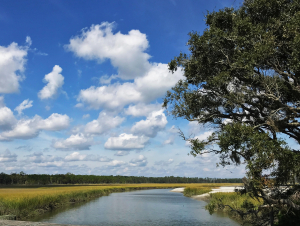
April is peak bird season in Georgia, so expect to see and hear plenty of species on campus.

AdobeStock_506880018.jpeg

Researchers at Georgia Tech are using math, science, and artificial intelligence to better understand how people think, move, and perceive the world.

Afroditi Papadopoulou

Before joining the School of Physics as an assistant professor this fall, Afroditi Papadopoulou will engage with Nobel Laureates during a global forum focused on intergenerational and interdisciplinary scientific exchange.

Image of CoCo Con 2026 Poster Presentations

A running theme throughout the conference was the growing influence of cutting-edge technologies like artificial intelligence — and how researchers are preparing for the ethical, social and practical challenges that they bring.

 AI and machine learning provide new tools for scientists to think about drug discovery. gorodenkoff/iStock via Getty Images

AI and machine learning provide new tools for scientists to think about drug discovery.

Experts In The News

Bacteria have no neurons or memories in the human sense. Yet in a new study, researchers at Georgia Tech and Carnegie Mellon University — including School of Physics Associate Professor Shiladitya Banerjee and Postdoctoral Fellow Josiah Kratz — found that individual E. coli cells carried traces of past hardship into the future. When nutrients repeatedly rose and fell, the cells changed how quickly they grew, suggesting that even simple microbes can use experience to prepare for what may come next. 

ZME Science June 10, 2026

A new Georgia Tech study found the chemical plume from the 2024 BioLab fire in Conyers, Ga., released bromine, not chlorine, as its dominant compound in the immediate aftermath. This finding stands in stark contrast to early public warnings about the fire, which prompted 17,000 evacuations, closed portions of I-20, and led to overnight shelter-in-place orders for weeks. Nearly two years later, the U.S. Chemical Safety Board is still investigating the fire and chemical release. 

The Georgia Tech paper containing the study was published in the March 2026 issue of Environmental Science & Technology Letters and identified 26 different chemical species in the air following the Sept. 29, 2024, fire at the BioLab facility in Conyers. The authors wrote that the chemically complex plume "exposed millions in metropolitan Atlanta to numerous toxic compounds" and represented the first detailed study of a pool chemical facility fire.

GPB June 10, 2026

Upcoming Events

Aug
05
2026
Enjoy curated wines, thoughtfully selected pairing, and a graduate student poster showcase with other College of Sciences alumni and friends of the College.

Spark: College of Sciences at Georgia Tech

Welcome — we're so glad you're here. Learn more about us in this video, narrated by Susan Lozier, College of Sciences Dean and Betsy Middleton and John Clark Sutherland Chair.